



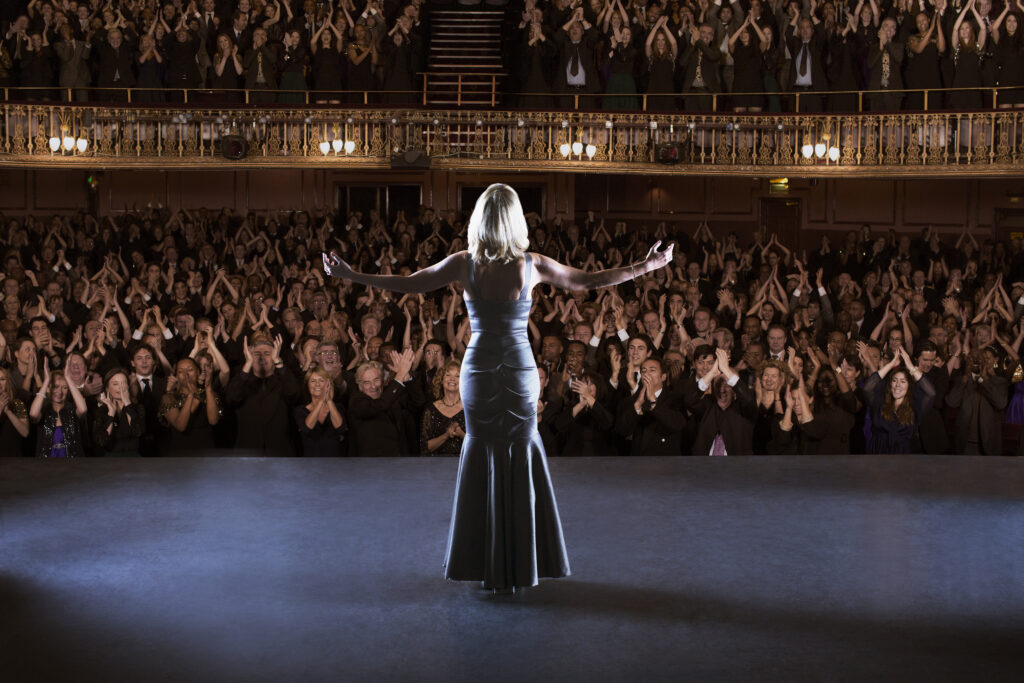
In today’s competitive entertainment landscape, marketing success is not about promoting events; it’s about creating meaningful connections with your audience. The most effective organizations combine strong storytelling, smart data usage and continuous optimization to drive attendance and long-term loyalty.
Here are the eight core practices to elevate your ticketing and event marketing strategy.
1. Lead with Emotion, Not Just Information
Audiences are overwhelmed with content. What cuts through isn’t more information; it is how that content makes people feel. The use of compelling visuals and video can help bring events to life. By placing focus on the experience, not just the details, your audience is far more likely to engage and purchase when they feel something first.
2. Make Personalization the Standard
Generic messaging gets ignored where relevance drives action. Tailoring campaigns to specific audience groups with messaging that reflects past behaviors and preferences will ensure communications feel intentional, not mass-produced. When marketing feels personal, it builds trust and helps increase conversions.
3. Treat Your Customer Data as a Strategic Asset
Your audience data is one of your most valuable resources. First-party data is the key to identifying repeat attendees and high-value customers, regardless of how and where they discover your events. Organizations that prioritize their existing audience often see stronger returns than those focused only on acquisition.
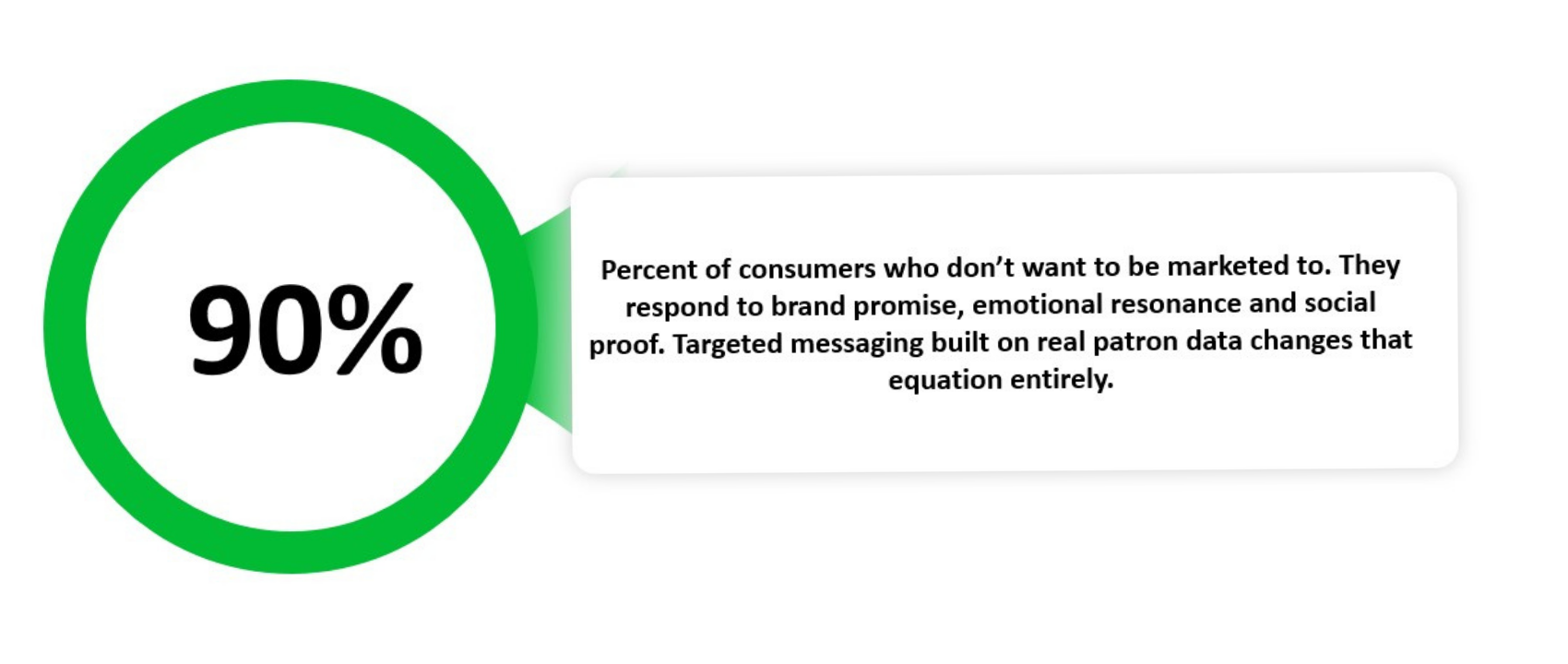
4. Segment Based on Behavior, Not Assumptions
Not all customers are alike. The ability to group audiences by past attendance, spending or engagement history allows you to build more targeted campaigns. Where possible, adjust the messaging based on where someone is on their purchase journey. These behavior-based segmentations can lead to more relevant outreach and better results.
5. Let Data Guide Your Decisions
Marketing should be both creative and analytical. Tracking which campaigns and channels drive sales across events and time periods can provide the insights needed to determine future strategies. The more you rely on data, the faster you can adapt and improve outcomes.
6. Use Promotions Strategically
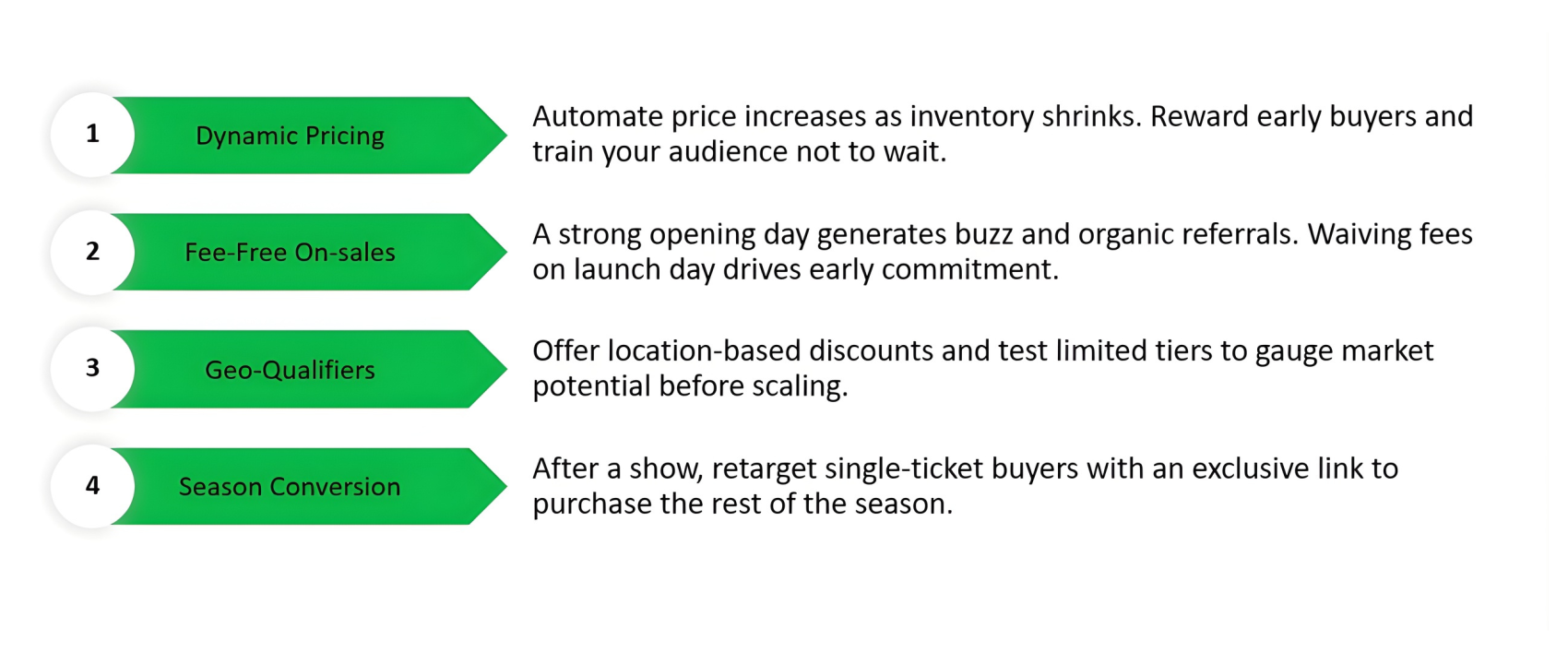
Discounting isn’t just about lowering prices; it’s about driving the right behavior. Use audience insights to reward loyal attendees with early access or exclusive offers, while leveraging limited-time promotions and bundles to create urgency and increase value.
Revenue growth also comes from maximizing existing customers. Strategic upsell and cross-sell opportunities can increase spend and turn one-time buyers into repeat attendees.
Common promotion strategies include:
 7. Streamline Your Marketing Workflow
Efficiency matters, especially for teams that run lean or wear many hats. Unifying your tools and systems enables centralized audience data and streamlined campaign execution. When your workflow is streamlined, it helps to reduce manual processes so you can focus more on strategy and less on logistics.
8. Commit to Continuous Optimization
There is no “set it and forget it” in marketing. Be sure to test different messaging, visuals and offers and monitor the performance of each. The most successful teams treat every campaign as a learning opportunity to iterate based on what works and what doesn’t.
Great marketing is a balance between art and science. It requires that you understand your audience, use data with intention and deliver experiences that resonate.
When these elements come together, marketing becomes more than promotion; it becomes a driver of lasting engagement and growth.
Discover how accesso ShoWare can help you increase ticket sales and build lasting patron loyalty for your venue. Contact us today to see it in action.